Ecommerce Marketing Services
Ecommerce Tracking and Analytics You Can Make Decisions On
Ecommerce tracking tells you which channels, campaigns and products actually make you money. We set up GA4, server-side tagging and ad platform conversions so your numbers line up with your real orders. Then we build dashboards that show profit, not only revenue.
Price
In your free proposal
Based on your goals and scope
Part of
Proposal
Free
Plan and price in writing
Why store data stops adding up
Most stores have tracking that worked once and then drifted. A theme update broke a tag. A new checkout app fires a second purchase event. Ad blockers and browser privacy features drop a share of visits. Consent banners block tags before they load.
The result is familiar. GA4 shows one revenue figure, Shopify shows another and each ad platform claims credit for the same orders. Budget decisions get made on whichever number looks best. We fix the plumbing first, so every report starts from the same source of truth.
What our ecommerce tracking setup includes
We document every tag and event, so your team knows what is tracked and why.
- GA4 ecommerce events – The standard funnel events, from view_item and add_to_cart through begin_checkout and purchase, with item data and correct values.
- Google Tag Manager – A clean container with naming rules, version notes and no leftover tags.
- Server-side tagging – A server container that sends key events from your own domain, which reduces data loss from blockers.
- Ad platform conversions – Meta Conversions API, Google Ads enhanced conversions and TikTok Events API, with deduplication against browser pixels.
- Consent setup – A consent banner connected to Google Consent Mode, so tags respect each visitor's choice.
- Dashboards – Looker Studio or your BI tool, showing revenue, margin and new customer cost by channel and product.
How we work as your GA4 consultant
Step 1: We audit your current setup and compare GA4 and ad platform purchases against your backend orders for the same period. Step 2: We list every gap and agree on fixes with you. Step 3: We rebuild or repair tags, test each event in debug mode and place test orders.
Step 4: We watch the data for a few weeks and confirm the numbers stay in line with your orders. Step 5: We hand over documentation and train your team on the reports they will use. On Shopify, we work within its customer events and pixel sandbox, which limits what can run on checkout pages.
You provide admin access to your store, GA4, Tag Manager and ad accounts, plus a contact who can approve changes.
Reports that show profit by channel and product
Revenue alone hides a lot. A channel can bring in sales at a strong return on ad spend and still lose money once discounts, shipping and returns are counted. We add product costs and fees to your reports, so you see contribution margin by channel, campaign and product.
We also split new and returning customers, since most ad platforms mix them. That shows what you pay to win a new buyer and how fast that buyer pays back. Those numbers feed directly into budget decisions for ecommerce PPCand retention marketing.
Working with an ecommerce analytics consultant
You get a clear price in your free proposal, after we look at your goals. Cost depends on the number of stores and domains, the ad platforms involved and whether you need server-side tagging.
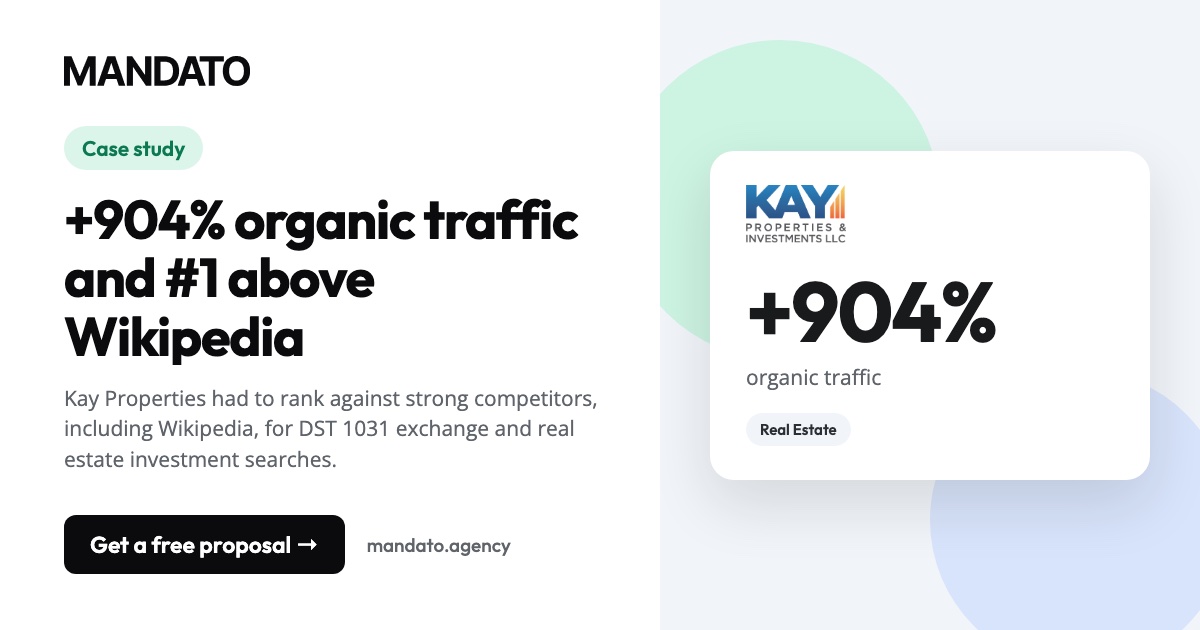
See our Kay Properties case study.
No tracking setup captures every visit. Privacy laws, consent choices and browsers will always leave gaps. We aim to get your numbers close enough to your orders to make sound decisions, and we tell you where the gaps remain. This work supports our wider ecommerce marketing programs.
Last updated:
Results
Before and after: proof from client work
Screenshots from client accounts. Each caption says only what the screenshot shows.
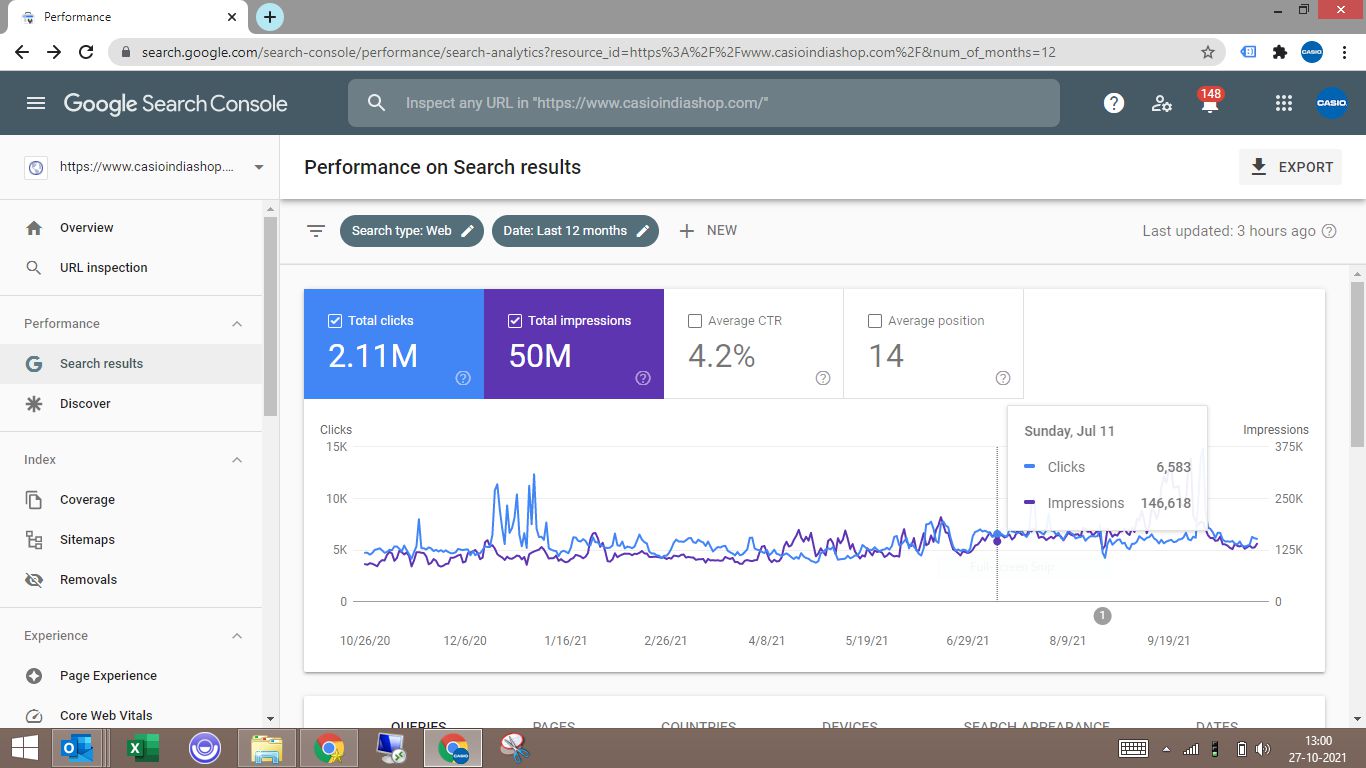
Casio India Shop
12 months to October 2021: 2.11M clicks and 50M impressions from Google Search.
Source: Google Search Console
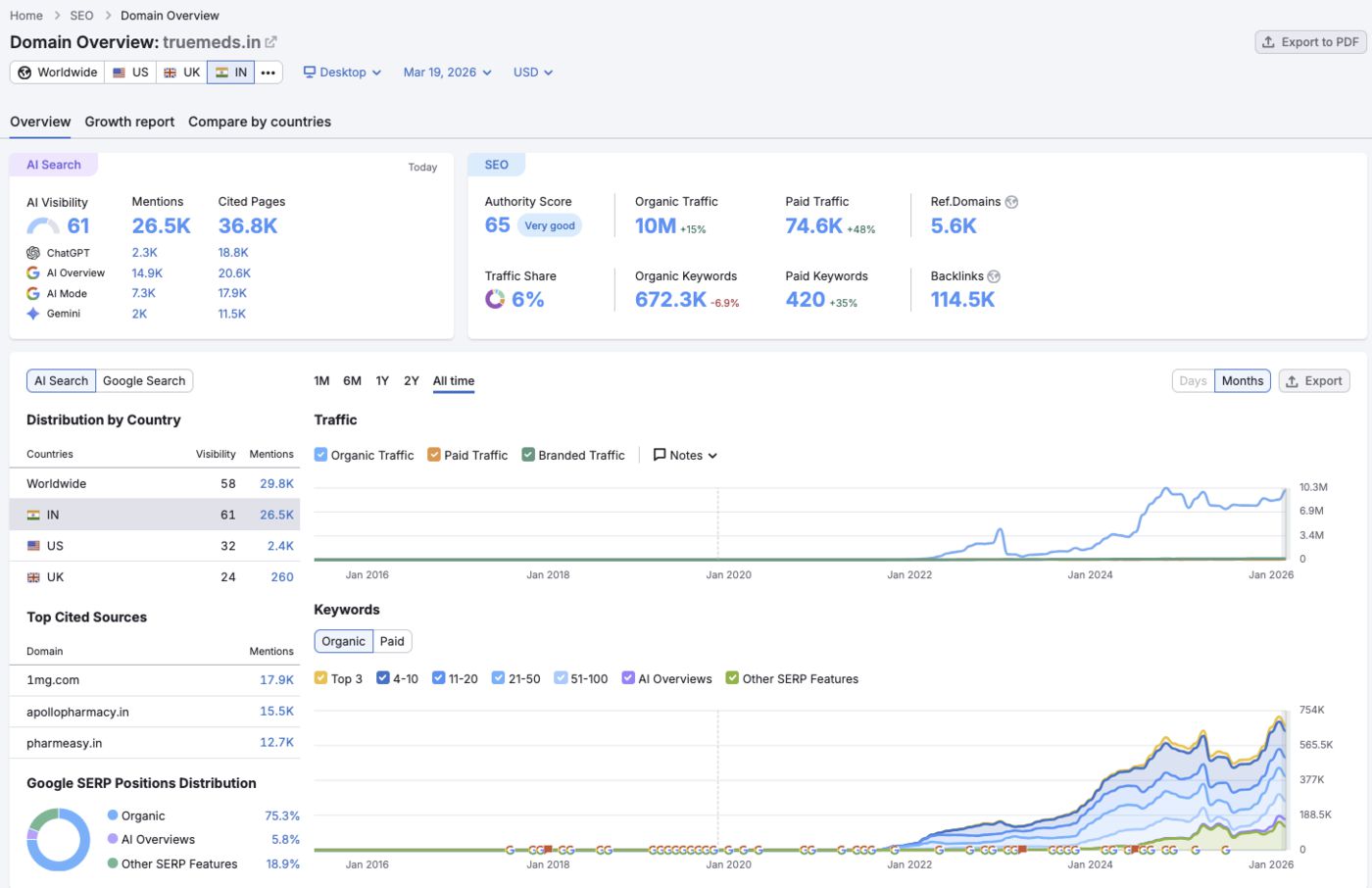
Truemeds
26.5K mentions in AI answers and 10M monthly organic traffic.
Source: Semrush, India, 19 Mar 2026
Case studies
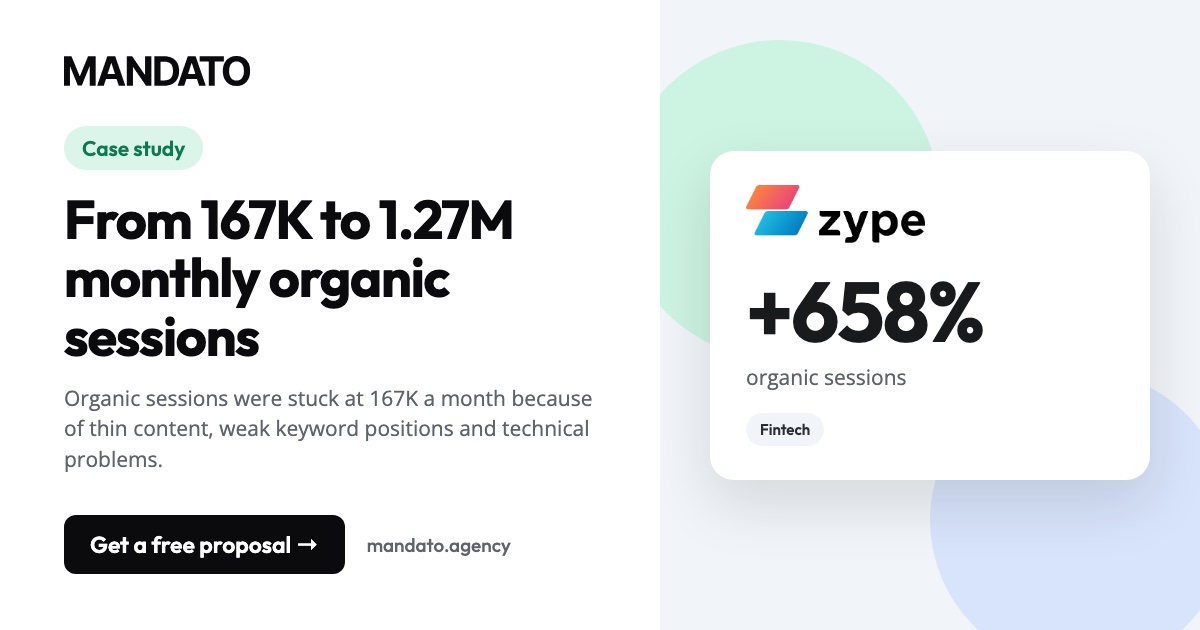
Related case studies
Results from our Ecommerce Marketing Services work.




FAQ
Ecommerce Tracking Services: questions
Some visitors block tracking or decline cookies, some purchase events fire twice or not at all, and the two systems count time zones and refunds differently. A small gap is normal. A large gap usually means a broken tag, which we can find and fix.
Not every store does. It helps most when you spend heavily on paid ads and lose conversion data to blockers and browser limits. We look at your ad spend and data loss before recommending it.
It depends on the number of platforms, domains and existing problems. We set a timeline after the audit. We always include a few weeks of monitoring after launch to confirm the data holds.
Yes. Those tools still depend on clean events and order data, so the setup work is the same. We help you compare their numbers with GA4 and your own order data.
We set up consent tools so tags follow each visitor's choice, and we avoid sending personal data where it is not allowed. Privacy law depends on where your customers live, so your legal counsel should approve your policy and banner wording.
Related services
Get a free Ecommerce Tracking Services proposal
Tell us about your business and goals. We'll reply with a plan and a price.