Industry
Branding for Education: Schools, Colleges and Universities
We provide branding for education institutions, from private and charter schools to colleges, universities and online programs. Families and students compare you with several other options, often over many months. They look at your website, your campus, your social channels and what current students say. A clear brand helps them understand what makes you different and why it matters.
Price
In your free proposal
Based on your goals and scope
Part of
Proposal
Free
Plan and price in writing
Branding for schools versus branding for higher education
K-12 schools and colleges share some needs, but their buyers differ. At a private, charter or independent school, parents usually make the choice. They care about safety, teachers, outcomes, community and fit for their child. Open houses, tours and word of mouth carry a lot of weight.
Branding for higher education speaks to students first, with parents close behind. Prospective students compare programs, cost, campus life and career outcomes. They browse on their phones and follow schools on social media long before they apply. Adult learners and online students care most about flexibility and value.
Both have long cycles. A family may tour a school a year before enrollment. A high school student may start researching colleges two years ahead. Your brand has to stay consistent across that whole stretch.
Brand architecture for colleges, departments and athletics
Universities often have dozens of logos. Schools, colleges, departments, research centers, athletics teams and student groups all made their own over the years. The result confuses applicants and donors.
We sort this into a clear system. The institutional mark leads. Academic units use consistent lockups. Athletics keeps its own spirit marks, with rules for how they relate to the main brand. The official seal stays reserved for diplomas and formal documents.
We also set rules for co-branding with partners, sponsors and affiliated hospitals or foundations. Our brand guidelines give each office a clear answer, so the central team stops policing logos one by one.
Research with students, parents, faculty and alumni
Education brands need broad buy-in. Faculty, staff and alumni care deeply about identity, and a brand that feels imposed will be ignored.
Step 1: We review your current materials, enrollment data you can share and peer institutions. Step 2: We interview leaders and run focus groups or surveys with students, parents, faculty and alumni. Step 3: We write a brand strategy with positioning, messages and personality, and share it widely for feedback.
Step 4: We develop and test the visual identity on real items, such as a viewbook, a website page, a banner and a team jersey. Step 5: We deliver guidelines, templates and a rollout plan. Many institutions phase the rollout over several terms to spread the cost.
Rules that shape education brands
Several laws touch education marketing. FERPA protects student education records. We recommend signed releases before you use a student's name, photo or story, and parental consent for minors.
Colleges that take part in federal student aid programs must avoid misrepresentation under Department of Education rules. That covers claims about accreditation, job placement, costs and program outcomes. Your marketing and compliance teams should review those claims before launch.
Accessibility matters too. Public schools and universities have duties under the ADA, and WCAG 2.1 AA is the common benchmark for web content. We check color contrast and type sizes in the identity, so your web team starts from a compliant base. For the site itself, see our education web design services.
What to ask higher education branding agencies
When you compare education branding agencies, ask to see work with institutions like yours and how they handled faculty input. Ask who leads the research and whether templates are included. Ask how they plan a phased rollout.
You get a clear price in your free proposal, after we look at your goals. Cost depends on the number of units, research depth and how many templates and signs need updating.
We will not promise enrollment growth. We will help families and students see what makes you distinct. For campus stories on video, see our education video production
team, or start from our branding agency page.
Last updated:
Case studies
Our work in this industry
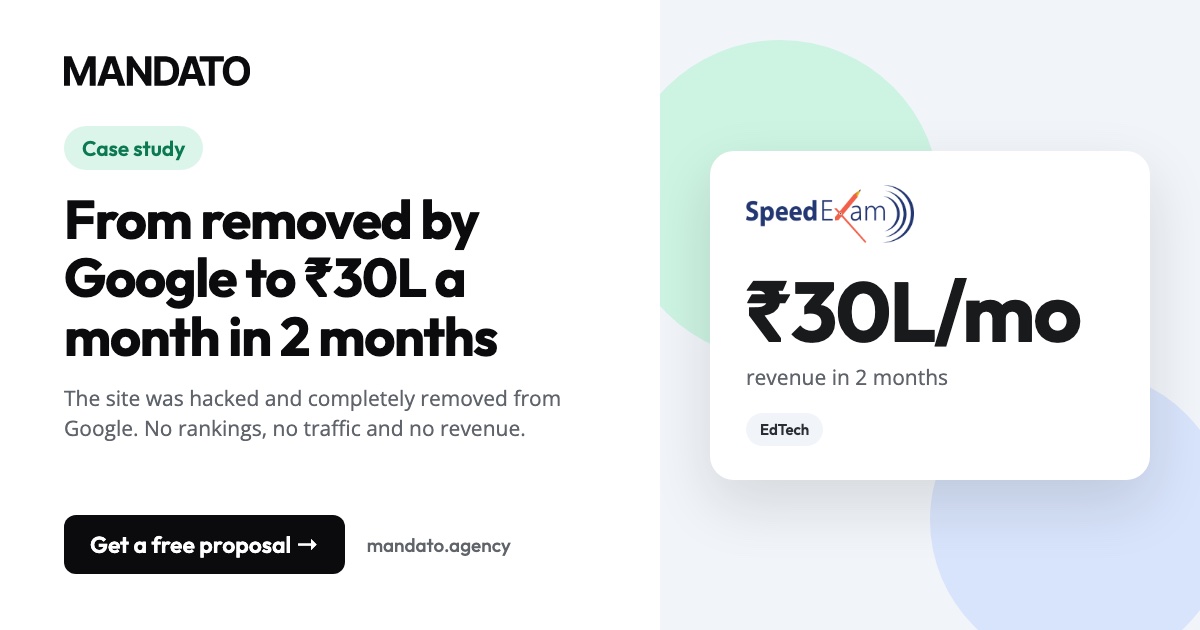
Results for edtech clients. They come from our other services, not this exact one.
FAQ
Branding for Education: questions
It researches how students, parents, faculty and alumni see your institution, then defines positioning and messages. It designs the visual identity and sorts out brand architecture for colleges, departments and athletics. It also delivers guidelines and templates for campus teams.
It depends on the research scope and the number of approvals. Projects with broad faculty and alumni input take longer than a logo update. We set a schedule tied to your academic calendar at the start.
Usually, yes. Seals and mascots carry history and alumni loyalty. We often keep them for formal and athletic use and build a simpler institutional mark for everyday use.
We cannot promise that. Enrollment depends on programs, cost, location and outreach. A clear brand makes your strengths easier to see, so your recruiting work has a stronger base.
Yes. Many private, charter and independent schools need a smaller program. That often means a refreshed logo, an admissions message, a viewbook and templates for staff.
Related services
Get a free Branding for Education proposal
Tell us about your business and goals. We'll reply with a plan and a price.